
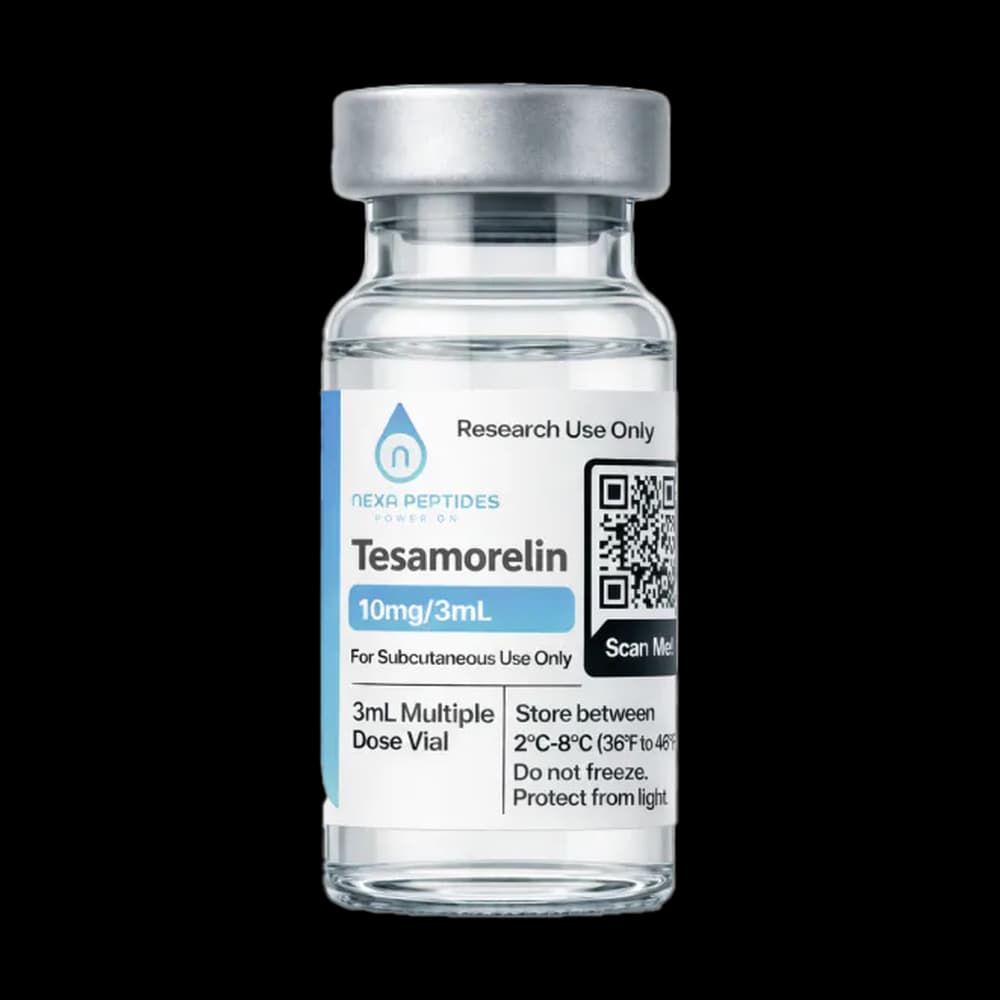
Growth Hormone
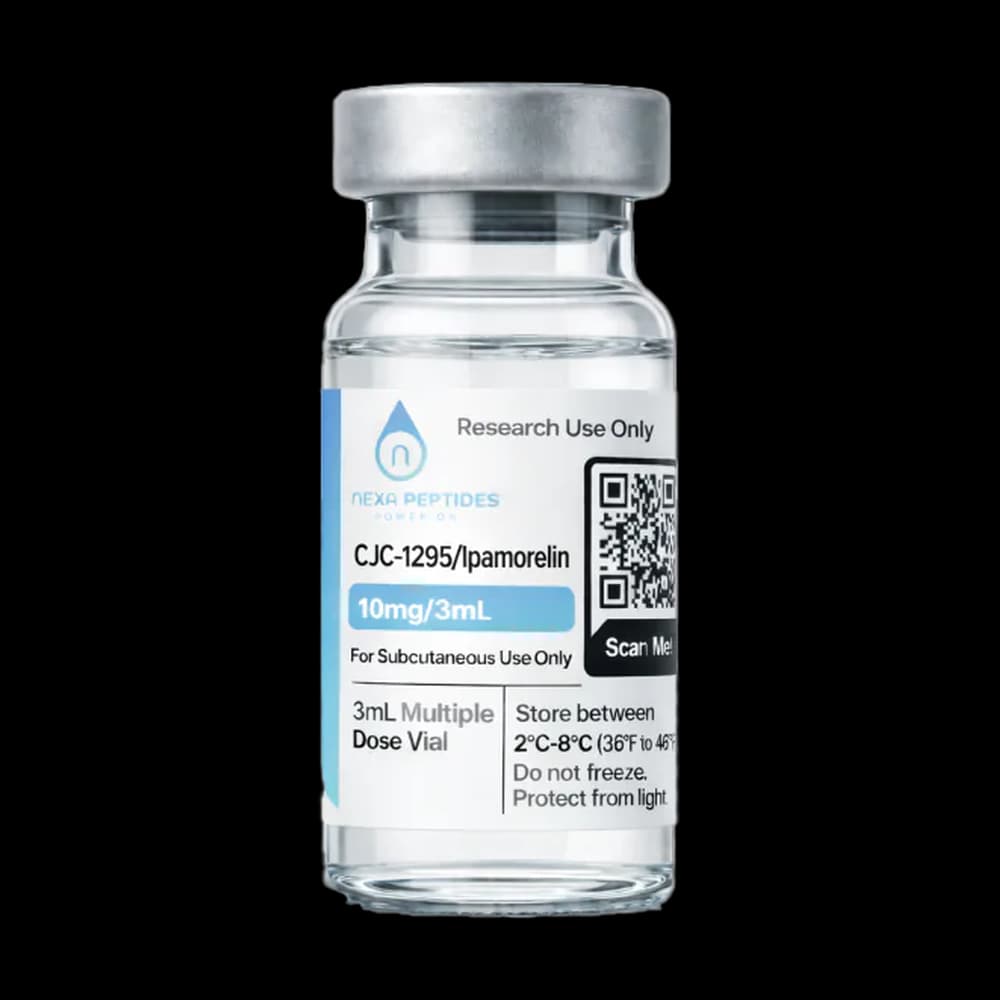
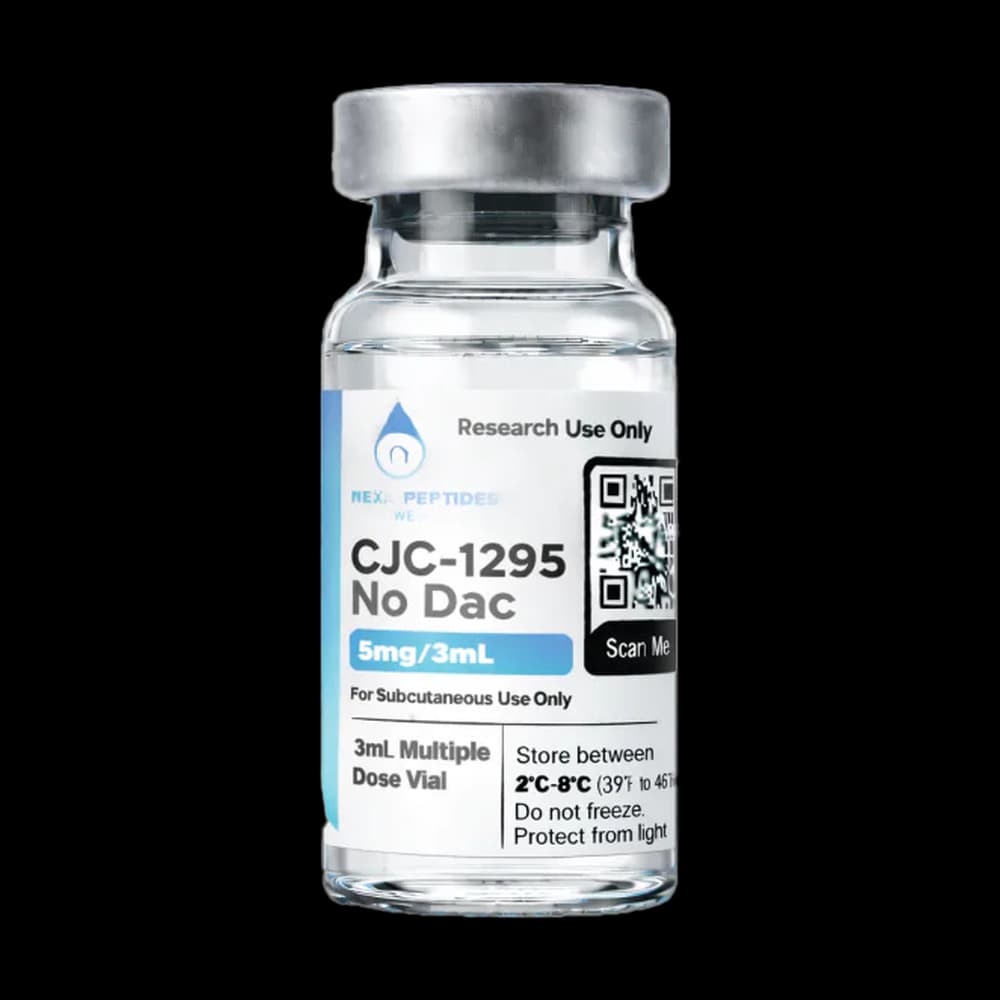
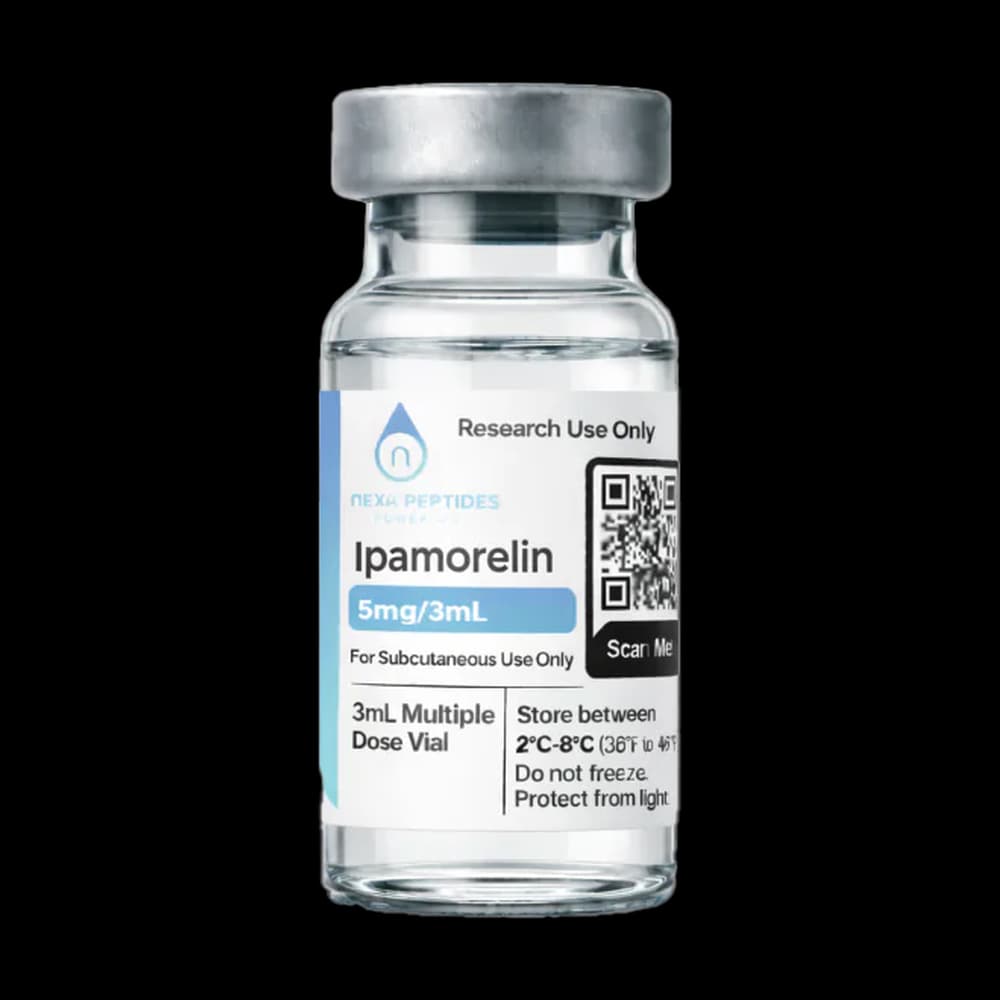
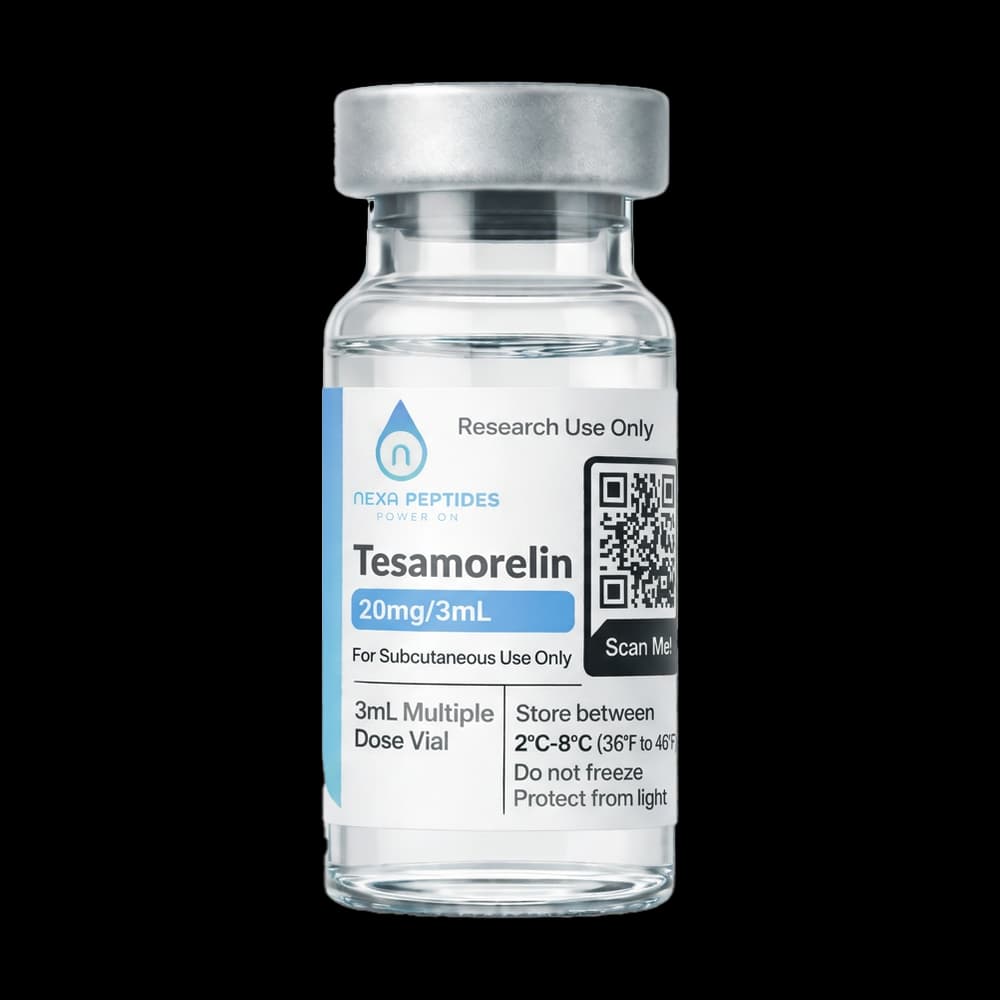
Tesamorelin — 10mg
SKU: NXP-TESA-10
Synthetic GHRH derivative targeting the pituitary gland for natural growth hormone release research. For research use only.
Product Details
**For best results, this product should be reconstituted with Hospira Bacteriostatic Water, which will be automatically added to your cart. Use of any alternative diluent is at your own discretion, and we are not responsible for any resulting changes in appearance or consistency, including cloudiness or gelling of the research product.*
Tesamorelin is a synthetic growth hormone-releasing hormone (GHRH) analog consisting of 44 amino acids. Originally developed for research into growth hormone axis modulation, it has become one of the most widely studied peptides in metabolic and body composition research.
Research investigations have focused on the role of Tesamorelin in stimulating pulsatile growth hormone release from the anterior pituitary. Studies in animal models and clinical research settings have examined its effects on visceral adipose tissue reduction, lipid metabolism, and overall metabolic parameters. Its mechanism of action involves binding to GHRH receptors, triggering a downstream signaling cascade that promotes endogenous GH secretion.
Each vial contains 10mg of lyophilized Tesamorelin, manufactured under strict GMP conditions. Purity is verified at greater than 98% via HPLC analysis, with additional quality checks including mass spectrometry and endotoxin testing. A certificate of analysis is available upon request.
Storage: Store lyophilized at -20°C. Reconstituted at 2-8°C, use within 60 days.
For research and laboratory use only.
About Tesamorelin
Tesamorelin is a synthetic peptide analogue of human growth hormone-releasing hormone (GHRH), a critical regulator of somatic growth and metabolism. It is a stabilized form of GHRH, specifically designed for enhanced stability and a prolonged biological half-life, making it a valuable tool for laboratory investigations. Structurally, Tesamorelin comprises the full 44-amino-acid sequence of human GHRH, but with a key modification: the addition of a trans-3-hexenoyl group to the N-terminal tyrosine residue. This chemical alteration confers resistance to degradation by the enzyme dipeptidyl peptidase-4 (DPP-4), which rapidly inactivates endogenous GHRH.
The amino acid sequence of Tesamorelin is: trans-3-Hexenoyl-Tyr-Ala-Asp-Ala-Ile-Phe-Thr-Asn-Ser-Tyr-Arg-Lys-Val-Leu-Gly-Gln-Leu-Ser-Ala-Arg-Lys-Leu-Leu-Gln-Asp-Ile-Met-Ser-Arg-Gln-Gln-Gly-Glu-Ser-Asn-Gln-Glu-Arg-Gly-Ala-Arg-Ala-Arg-Leu-NH2. Its molecular formula is C221H366N72O67S, and it has a molecular weight of approximately 5135.9 g/mol. This precise structure allows it to function as a potent and selective agonist for the GHRH receptor, initiating a cascade of downstream signaling events that culminate in the synthesis and release of growth hormone (GH).
In research settings, Tesamorelin is notable for its ability to stimulate the pituitary gland to produce and secrete GH in a pulsatile manner that closely mimics natural physiological rhythms. This is in contrast to the direct administration of exogenous recombinant human growth hormone (rhGH), which can result in non-pulsatile, supraphysiological levels and disrupt the sensitive endocrine feedback loops. By acting upstream at the level of the pituitary somatotrophs, Tesamorelin allows researchers to study the effects of elevated GH and its primary mediator, insulin-like growth factor 1 (IGF-1), within a more physiologically relevant context.
Nexa Peptides provides high-purity, third-party tested Tesamorelin for in vitro and in vivo laboratory research. Its utility in studying the GHRH-GH-IGF-1 axis makes it an indispensable compound for investigations in endocrinology, metabolic science, and cellular physiology. This product is strictly intended for Research Use Only (RUO) and is not approved for human or veterinary consumption.
Mechanism of Action
The mechanism of action of Tesamorelin is rooted in its function as a potent and specific agonist for the growth hormone-releasing hormone receptor (GHRH-R). The GHRH-R is a class B G-protein coupled receptor (GPCR) predominantly expressed on the surface of somatotroph cells within the anterior pituitary gland. Tesamorelin's high affinity for this receptor is dictated by its 44-amino-acid sequence, which is identical to that of endogenous GHRH.
Upon binding to the GHRH-R, Tesamorelin induces a conformational change in the receptor, which facilitates its coupling to and activation of the associated heterotrimeric G-protein, specifically the stimulatory G-alpha subunit (Gαs). The activated Gαs subunit dissociates from its beta-gamma partners and stimulates the membrane-bound enzyme adenylyl cyclase. This enzyme catalyzes the conversion of adenosine triphosphate (ATP) to the second messenger cyclic adenosine monophosphate (cAMP). The resulting increase in intracellular cAMP concentration is a pivotal step in the signaling cascade.
Elevated cAMP levels lead to the activation of Protein Kinase A (PKA). PKA is a serine/threonine kinase that phosphorylates a multitude of intracellular protein targets, thereby modulating their activity. A key target of PKA in somatotrophs is the cAMP response element-binding protein (CREB). Upon phosphorylation, CREB translocates to the nucleus, where it binds to specific DNA sequences known as cAMP response elements (CREs) located in the promoter region of the growth hormone (GH1) gene. This binding event recruits transcriptional co-activators and enhances the rate of GH1 gene transcription, leading to increased synthesis of GH mRNA and, consequently, GH protein.
In addition to transcriptional regulation, the GHRH-R signaling pathway also triggers the release of pre-synthesized GH stored in secretory granules. The PKA-mediated cascade, along with potential Gαs-independent pathways, leads to the opening of L-type voltage-gated calcium channels and the mobilization of calcium (Ca2+) from intracellular stores, such as the endoplasmic reticulum. The subsequent rise in cytosolic Ca2+ concentration is the primary trigger for the fusion of GH-containing vesicles with the plasma membrane and the exocytosis of GH into the bloodstream.
The released GH then circulates to the liver and other peripheral tissues, where it stimulates the production and secretion of insulin-like growth factor 1 (IGF-1), which mediates many of the downstream anabolic and metabolic effects. The entire GHRH-GH-IGF-1 axis is tightly regulated by negative feedback loops involving somatostatin (which inhibits GH release) and IGF-1 itself. Tesamorelin's action respects these physiological feedback mechanisms, resulting in a pulsatile pattern of GH release.
The critical structural feature of Tesamorelin—the N-terminal trans-3-hexenoyl group—provides a significant advantage in research applications. This modification sterically hinders the N-terminus from cleavage by dipeptidyl peptidase-4 (DPP-4), an enzyme that rapidly degrades endogenous GHRH. This resistance to enzymatic degradation extends the plasma half-life of Tesamorelin, allowing for a more sustained interaction with the GHRH-R and a more prolonged and robust stimulation of GH synthesis and secretion compared to unmodified GHRH in experimental models.
Research Applications
Tesamorelin serves as a precision tool for a wide range of laboratory research applications, primarily focused on elucidating the complex roles of the growth hormone (GH) and insulin-like growth factor 1 (IGF-1) axis in physiology and pathophysiology. Its ability to stimulate endogenous GH release in a physiologically mimetic manner makes it invaluable for studies in endocrinology, metabolic disorders, neurobiology, and cellular aging.
A primary area of investigation involves metabolic science, particularly the study of adiposity and lipid metabolism. In various preclinical animal models, researchers have utilized Tesamorelin to explore its effects on body composition, with a specific focus on visceral adipose tissue (VAT). Studies are designed to investigate the mechanisms by which Tesamorelin-induced GH and IGF-1 elevation can promote lipolysis (the breakdown of fats) and inhibit lipogenesis (the formation of new fat), leading to a reduction in visceral fat mass. These investigations often involve detailed analysis of lipid profiles, gene expression related to fat metabolism in adipose tissue, and changes in lean body mass.
Cognitive and neurological research represents another significant application. The GH/IGF-1 axis is known to be involved in neuronal health, synaptic plasticity, and cognitive function. Preclinical studies in aged animal models or models of neurodegenerative conditions have employed Tesamorelin to investigate its potential impact on learning, memory, and neurogenesis. Researchers explore whether the peptide can modulate levels of brain-derived neurotrophic factor (BDNF) or other neuroprotective molecules, and how IGF-1, which can cross the blood-brain barrier, may exert direct effects on neural circuits. These studies provide insights into the endocrine system's influence on the central nervous system.
In the field of cardiovascular research, Tesamorelin is used to study the relationship between the GH axis and cardiovascular health markers. Preclinical models of metabolic syndrome or atherosclerosis are used to assess the impact of Tesamorelin administration on parameters such as endothelial function, inflammatory markers (e.g., C-reactive protein), and atherogenic lipid profiles, including triglycerides and cholesterol subspecies. These studies help dissect the role of GH/IGF-1 in maintaining vascular homeostasis and its potential modulation in disease states.
Further research applications extend to muscle physiology and sarcopenia. Investigations in models of age-related muscle wasting or cachexia explore Tesamorelin's ability to promote muscle protein synthesis and increase lean muscle mass. Researchers may analyze muscle fiber type, anabolic signaling pathways like mTOR and Akt, and functional outcomes in these models. Additionally, its effects on glucose homeostasis and insulin sensitivity are actively studied, given the complex and sometimes opposing actions of GH and IGF-1 on glucose metabolism. All these applications are strictly confined to non-human, laboratory research settings to advance fundamental scientific understanding. For Research Use Only.
Formulation & Handling
Proper handling and storage of Tesamorelin are critical to maintaining its integrity and ensuring reproducible results in a research setting. Nexa Peptides supplies Tesamorelin as a lyophilized (freeze-dried) powder in a sterile vial. In this state, the peptide is highly stable and should be stored in a freezer at or below -20°C, protected from direct light, to maximize its long-term shelf-life. Before use, the vial should be allowed to warm to room temperature for several minutes to prevent moisture condensation upon opening.
For experimental use, the lyophilized powder must be reconstituted with a sterile diluent. The most common choice for research applications is bacteriostatic water, which contains 0.9% benzyl alcohol as a preservative to inhibit microbial growth. To reconstitute, slowly inject the recommended volume of bacteriostatic water down the side of the vial, avoiding a direct stream onto the peptide powder. Do not shake the vial vigorously, as this can cause shearing and degradation of the peptide. Instead, gently swirl or rotate the vial until the powder is completely dissolved and the solution is clear.
Once reconstituted, the Tesamorelin solution should be stored under refrigeration at 2°C to 8°C. The stability of the peptide in solution is limited, and it should ideally be used within a few weeks when stored under these conditions. For research protocols extending over a longer period, it is best practice to prepare aliquots of the freshly reconstituted solution into smaller, single-use sterile vials and store them frozen at -20°C. This approach minimizes repeated freeze-thaw cycles, which can significantly degrade the peptide's structure and compromise its biological activity. Always employ aseptic techniques when handling and reconstituting the peptide to prevent contamination of research samples.
Quality Standards
Nexa Peptides is committed to providing researchers with the highest quality Tesamorelin for their laboratory investigations. Our quality assurance protocol begins with stringent manufacturing standards. The peptide is synthesized in a cGMP (Current Good Manufacturing Practice) compliant facility, ensuring that every step, from raw material sourcing to final lyophilization, adheres to strict procedural controls for purity, consistency, and safety.
Each batch of Tesamorelin undergoes a comprehensive panel of analytical tests to verify its identity and purity. High-Performance Liquid Chromatography (HPLC) is employed to confirm a purity level of greater than 99%, ensuring the absence of significant impurities or synthesis-related byproducts. The molecular identity and correct mass of the peptide are unequivocally verified using Mass Spectrometry (MS). This dual analysis guarantees that the product delivered is structurally correct and exceptionally pure, which is critical for obtaining reliable and interpretable research data.
Furthermore, every lot is tested for potential contaminants, including endotoxins, to ensure its suitability for use in sensitive in vitro cell cultures and in vivo preclinical models. To provide full transparency and confidence to our clients, a comprehensive, third-party Certificate of Analysis (COA) is available for every batch. This document provides detailed results of all quality control tests. With complete lot traceability and a steadfast commitment to scientific rigor, Nexa Peptides ensures that researchers receive a premium-grade product for their vital work. All our products are sold exclusively for Research Use Only.
Frequently Asked Questions
What is Tesamorelin?
How is Tesamorelin synthesized?
What is the molecular weight of Tesamorelin?
What research areas use Tesamorelin?
How should Tesamorelin be stored?
How should Tesamorelin be reconstituted for research?
What purity grade is Nexa Peptides' Tesamorelin?
Is Tesamorelin available with a Certificate of Analysis?
Explore Related Research
Customer Reviews
3 reviews
Kevin F.Verified PurchaseMay 14, 2026
My deep sleep is up noticeably according to my watch, and the recovery that comes with it has been excellent.
Trevor S.May 12, 2026
Ordered Thursday night and had it Monday. Tracking was accurate the whole way through.
Wade E.Apr 16, 2026
Arrived ahead of schedule and better packaged than I am used to. Off to a great start with these guys.