
Weight Loss
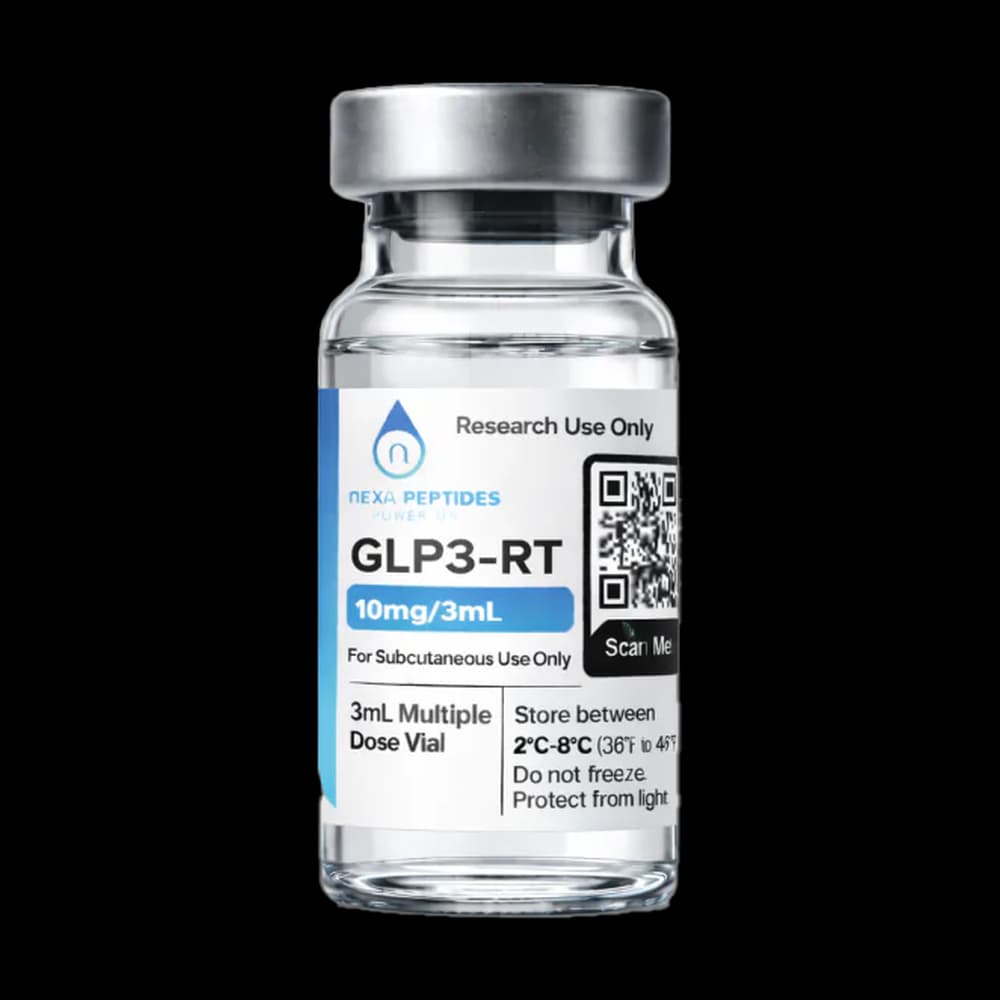
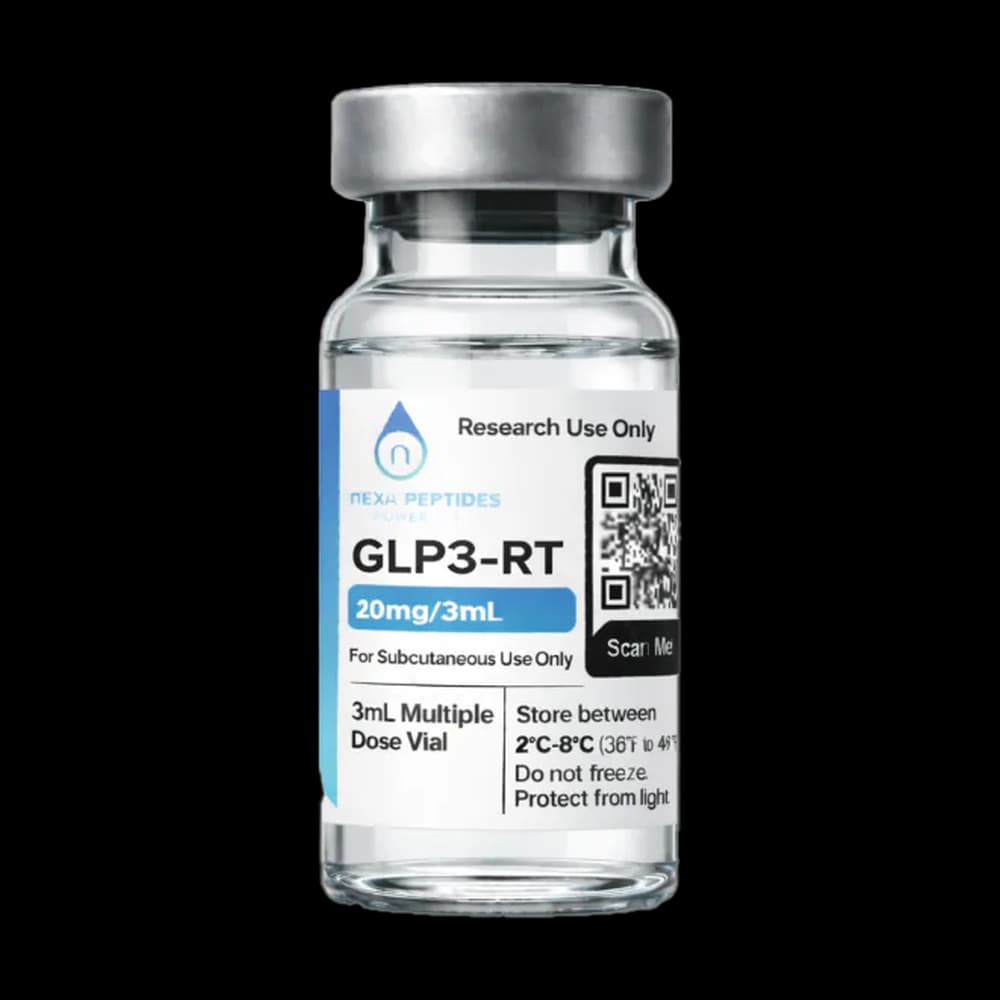
Retatrutide — - 20mg
SKU: NXP-RETA-20
Retatrutide is an Investigational triple-agonist peptide targeting GLP-1, GIP, and glucagon receptor pathways for metabolic research. For research use only.*INCLUDES 3ML BACTERIOSTATIC WATER*
Product Details
Retatrutide is a research-grade glucagon-like peptide receptor triple agonist designed for studies in metabolic signaling and energy regulation. This novel compound targets GLP-1, GIP, and glucagon receptors simultaneously, enabling research into multi-receptor metabolic modulation.
Investigations have examined how triple agonism may produce synergistic effects beyond what single or dual receptor targeting can achieve. Research areas include appetite regulation pathways, pancreatic beta cell function, hepatic lipid metabolism, and energy expenditure. The compound's multi-target approach makes it a valuable tool for studying the complex interplay between incretin hormones and glucagon in metabolic homeostasis.
Each vial contains 20mg of lyophilized GLP3-RT, synthesized under GMP conditions with purity exceeding 98% as confirmed by HPLC analysis. Quality verification includes mass spectrometry and endotoxin testing. Certificate of analysis available upon request.
Storage: Store lyophilized at -20°C. Reconstituted at 2-8°C, use within 60 days.
For research and laboratory use only.
About Retatrutide
Retatrutide (LY3437943) is a novel, investigational peptide agonist engineered for advanced metabolic research. It is distinguished within the field of peptide therapeutics by its unique tri-agonist mechanism, simultaneously targeting three key receptors involved in glucose and energy homeostasis: the glucagon-like peptide-1 receptor (GLP-1R), the glucose-dependent insulinotropic polypeptide receptor (GIPR), and the glucagon receptor (GCGR). This triple-hormone-receptor agonist, often referred to as a 'GGG' agonist, represents a significant evolution from single-agonist (e.g., semaglutide) and dual-agonist (e.g., tirzepatide) compounds.
The structure of Retatrutide is based on a GIP peptide backbone, modified to confer potent and balanced activity at all three target receptors. It is a 39-amino acid linear peptide that has been further modified by the attachment of a C20 fatty diacid moiety via a linker to the lysine residue at position 20. This lipidation strategy significantly extends the peptide's circulating half-life by promoting reversible binding to serum albumin, thereby reducing renal clearance and enzymatic degradation. This modification makes it suitable for less frequent administration in longitudinal preclinical research models.
Retatrutide's emergence is a direct result of research aimed at recapitulating the profound metabolic benefits observed after bariatric surgery, which is known to elevate circulating levels of multiple gut hormones simultaneously. The hypothesis underlying its design is that synergistic activation of GLP-1R, GIPR, and GCGR can produce more substantial effects on weight reduction, glycemic control, and energy expenditure than targeting one or two of these pathways alone. Its investigation in laboratory settings focuses on elucidating the complex interplay between these signaling systems and their potential to address multifaceted metabolic disorders like obesity, type 2 diabetes mellitus (T2DM), and non-alcoholic steatohepatitis (NASH). For researchers, Retatrutide provides a powerful tool to explore the integrated physiology of incretin and glucagon signaling pathways.
Nexa Peptides supplies Retatrutide exclusively for laboratory research purposes. This product is not intended for human or veterinary use. Its application is strictly limited to in vitro and in vivo studies conducted by qualified scientific professionals in a controlled research environment. Every batch is rigorously tested to ensure the highest purity and quality for reproducible experimental outcomes.
Mechanism of Action
Retatrutide's mechanism of action is defined by its function as a single-molecule tri-agonist with engineered affinity for the GLP-1, GIP, and glucagon receptors. These are all Class B G-protein coupled receptors (GPCRs) that primarily signal through the Gαs subunit, leading to the activation of adenylyl cyclase and a subsequent increase in intracellular cyclic adenosine monophosphate (cAMP) levels. The activation of Protein Kinase A (PKA) and other downstream effectors like Exchange Protein Activated by cAMP (Epac) mediates the majority of the cellular responses. The novelty of Retatrutide lies in the integrated physiological output resulting from the simultaneous engagement of these three distinct but complementary pathways.
GLP-1 Receptor (GLP-1R) Agonism: Activation of GLP-1R in pancreatic β-cells enhances glucose-dependent insulin secretion, a primary mechanism for improving glycemic control. In pancreatic α-cells, it suppresses the secretion of glucagon, particularly in hyperglycemic states. Beyond the pancreas, GLP-1R agonism delays gastric emptying and acts on central nervous system pathways, including those in the hypothalamus and hindbrain, to promote satiety and reduce food intake. This central action is a key contributor to the weight-reducing effects observed in preclinical models.
Glucose-Dependent Insulinotropic Polypeptide Receptor (GIPR) Agonism: GIP is a potent incretin hormone that also stimulates glucose-dependent insulin secretion from pancreatic β-cells. Its co-activation with GLP-1R may produce synergistic effects on insulin release. Furthermore, GIPR is expressed in adipose tissue, where its activation is thought to enhance lipid metabolism and storage, potentially improving metabolic flexibility. In the central nervous system, GIPR signaling is also being investigated for its role in appetite regulation, complementing the effects of GLP-1R activation.
Glucagon Receptor (GCGR) Agonism: The inclusion of GCGR agonism is a counterintuitive yet critical component of Retatrutide's design. While glucagon is traditionally known to raise blood glucose levels by stimulating hepatic gluconeogenesis and glycogenolysis, its chronic activation in the context of potent incretin agonism has different effects. GCGR activation in the liver increases energy expenditure, promotes fatty acid oxidation, and reduces hepatic lipid accumulation (steatosis). It is hypothesized that the potent insulinotropic effects of the GLP-1R and GIPR components effectively counteract the potential hyperglycemic action of glucagon, allowing the beneficial energy expenditure and lipolytic effects to dominate. This hepatic action is of particular interest in research models of non-alcoholic fatty liver disease (NAFLD).
The integrated mechanism of Retatrutide is therefore a complex synergy. The GLP-1R and GIPR components provide robust glycemic control and appetite suppression, while the GCGR component adds a distinct mechanism for increasing energy expenditure and reducing hepatic and systemic adiposity. This multi-pronged approach allows researchers to investigate a powerful, combined physiological response that is not achievable with single or dual-agonist peptides, providing a unique tool for studying the fundamental biology of metabolic regulation.
Research Applications
Retatrutide is a subject of intensive investigation in multiple areas of metabolic research, primarily utilizing preclinical in vitro and in vivo models. Its unique tri-agonist profile makes it a valuable tool for exploring complex physiological questions that cannot be addressed by peptides with narrower receptor specificity.
Obesity and Weight Management Research: The most prominent application of Retatrutide in research is the study of obesity. In diet-induced obesity (DIO) animal models, such as mice and rats, investigations have focused on its profound effects on body weight reduction. Research studies document its impact on both fat mass and lean mass, food intake, and energy expenditure. Studies aim to differentiate the contributions of central appetite suppression (via GLP-1R and GIPR) versus increased metabolic rate (via GCGR) to the overall weight loss effect. Comparative studies against dual or single agonists are often performed to establish the potential additive or synergistic benefits of the tri-agonist mechanism in achieving and maintaining a lower body weight.
Type 2 Diabetes Mellitus (T2DM) Research: In preclinical models of T2DM, such as the db/db mouse or Zucker diabetic fatty (ZDF) rat, Retatrutide is investigated for its potent glycemic control properties. Research focuses on its ability to lower blood glucose, reduce HbA1c levels, and improve insulin sensitivity. Studies analyze its effects on pancreatic β-cell function and mass, glucose-stimulated insulin secretion, and the suppression of inappropriate glucagon release. The interplay between the potent incretin effects and the GCGR-mediated metabolic actions is a key area of inquiry.
Non-alcoholic Fatty Liver Disease (NAFLD) and Steatohepatitis (NASH) Research: Retatrutide is of significant interest in the study of NAFLD and its progressive form, NASH. The GCGR agonism component is hypothesized to directly target the hepatic pathophysiology of these conditions. In animal models of NAFLD/NASH, research applications include assessing Retatrutide's ability to reduce hepatic steatosis (liver fat content), mitigate liver inflammation (hepatitis), and prevent or reverse hepatic fibrosis. Researchers use histological analysis and biochemical markers of liver injury (e.g., ALT, AST) to quantify its effects, providing insights into the role of glucagon signaling in liver health.
Cardiometabolic Research: Beyond primary endpoints, Retatrutide is studied for its effects on broader cardiometabolic health markers in relevant animal models. These investigations explore its impact on lipid profiles (triglycerides, cholesterol), blood pressure, and markers of systemic inflammation. Such studies aim to understand the downstream consequences of substantial weight loss and improved glycemic control on the cardiovascular system, providing a more holistic view of its potential metabolic effects in a research context. All applications of Retatrutide are strictly for laboratory-based research and are not for therapeutic or human use.
Formulation & Handling
For Research Use Only. Retatrutide is supplied as a lyophilized (freeze-dried) powder in a sterile vial to ensure maximum stability and shelf-life. Proper handling and storage are critical to maintain the integrity and activity of the peptide for experimental use. Upon receipt, lyophilized vials should be stored at -20°C for long-term preservation. For short-term storage prior to reconstitution, 2-8°C is acceptable for several weeks. Protect the product from direct light exposure.
Reconstitution should be performed under aseptic conditions. The recommended diluent for reconstitution is sterile bacteriostatic water, which contains 0.9% benzyl alcohol as a preservative to inhibit microbial growth. To reconstitute, slowly inject the desired volume of bacteriostatic water into the vial, aiming the stream against the side of the vial to avoid foaming. Gently swirl or roll the vial to dissolve the powder completely; do not shake or agitate vigorously, as this can cause degradation of the peptide structure. Ensure the solution is clear and free of particulates before use.
Once reconstituted, the Retatrutide solution should be stored at 2-8°C and protected from light. The stability of the reconstituted peptide in solution is typically limited to a few weeks under these conditions. For studies requiring use over an extended period, it is advisable to aliquot the freshly reconstituted solution into smaller, single-use volumes and store them at -20°C. This practice minimizes repeated freeze-thaw cycles, which can degrade the peptide and compromise experimental results. Always use calibrated equipment for reconstitution and administration to ensure accurate and reproducible dosing in research protocols.
Quality Standards
Nexa Peptides is committed to providing researchers with the highest quality peptides for reliable and reproducible scientific outcomes. Our Retatrutide is produced for Research Use Only and is subjected to a stringent quality control protocol. Each batch is synthesized in a cGMP-compliant facility, ensuring that manufacturing processes adhere to the highest standards for purity, consistency, and safety suitable for a laboratory setting.
The purity of our Retatrutide is verified using High-Performance Liquid Chromatography (HPLC). We guarantee a purity level of greater than 99%, ensuring that the material is free from significant impurities or synthesis-related byproducts that could confound research results. The identity and molecular integrity of the peptide are confirmed using Mass Spectrometry (MS), which verifies that the molecular weight of the synthesized peptide matches its theoretical mass, confirming the correct amino acid sequence and modifications.
Furthermore, each batch undergoes testing for potential contaminants. This includes endotoxin analysis to ensure that the product is suitable for use in sensitive in vitro and in vivo experimental models. A comprehensive, third-party Certificate of Analysis (COA) is available for every lot of Retatrutide sold. This document provides detailed results from the HPLC and MS analyses, offering full transparency and traceability. This commitment to quality assurance ensures that researchers at Nexa Peptides receive a product that meets the rigorous demands of advanced scientific investigation.
Frequently Asked Questions
What is Retatrutide?
How is Retatrutide synthesized?
What is the molecular weight of Retatrutide?
What research areas use Retatrutide?
How should Retatrutide be stored?
How should Retatrutide be reconstituted for research?
What purity grade is Nexa Peptides' Retatrutide?
Is Retatrutide available with a Certificate of Analysis?
Explore Related Research
Customer Reviews
4 reviews
Raj F.Verified PurchaseMay 19, 2026
No dramatic overnight change, just consistent progress week over week. That is what I was hoping for.
Brian J.Verified PurchaseMay 6, 2026
Presentation was spot on and the whole thing feels professional and well put together. Knocking off one star only because delivery took longer than I would have liked.
Wade M.Mar 26, 2026
Clothes are fitting better already and I am not white knuckling it through the day. Really happy.
KyleMar 16, 2026
Love this product , the triple agonist affect I felt a lot quicker than with the Tirzepatide. Great customer service, excellent packaging, will be my trusted supplier from here on out !